Commercial Waste Removal in Brixton
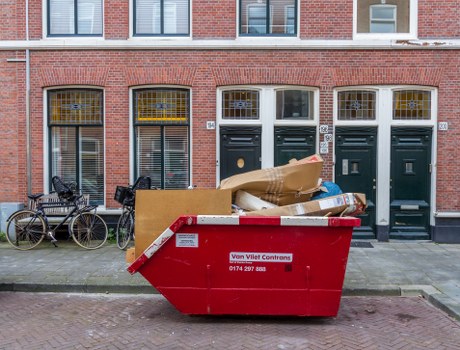
Commercial waste removal in Brixton needs a practical, tidy service that keeps day-to-day operations moving while unwanted materials are taken away responsibly. We focus on collecting business waste from premises such as offices, shops, cafes, workshops and shared workspaces, then sorting what can be reused, recycled or disposed of through the appropriate routes. The aim is simple: clear the space, keep disruption down and leave the premises ready for normal use again.
Our service covers regular clear-outs and one-off removals, including bulky items, office furniture, packaging, mixed rubbish and other non-hazardous commercial waste. Where the waste stream is more specific, such as confidential papers, appliances or heavier refurbishment debris, we can direct the job through the relevant service route on this site. That helps keep each collection appropriately handled rather than treating every job as the same kind of load.
For a quotation, start by telling us what needs removing and roughly how much there is. If you have photographs or a simple list, that often makes it easier to identify the most suitable service and to plan the collection. You can review pricing and quotes information if you want a clearer idea of how the work is usually assessed before you send details.
Business waste collections for offices, retail and shared premises
Business waste is rarely limited to bin bags. Office moves, stock refreshes, refits and routine clearances often produce mixed items that need separating before they leave the premises. We handle collections for workplaces that need furniture taken away, paper and packaging cleared, or a general tidy-up after a busy period. The service is designed around practical removal rather than a one-size-fits-all approach, so the type of material can be matched to the right disposal route.
Where items are still usable, the sensible route is often to remove them without unnecessary damage so they can be assessed for reuse or onward processing. Where the load is mostly broken, obsolete or damaged stock, it may need a more straightforward disposal and recycling process. If you are dealing with records, the work can also include confidential shredding for paperwork that should not be mixed with general waste. Choosing the right service type matters because it affects how the waste is sorted and what can be handled together.
Common commercial loads
- Office chairs, desks and meeting-room furniture
- Cardboard, packaging and archive material
- Shop fittings, shelving and display items
- Small mixed clearances after reorganisation or refurbishment
Office clearance and workplace furniture removal

Office clearance work usually involves a mixture of furniture, equipment and general office contents that need to be removed without interrupting the whole building. That might include desks, cabinets, filing units, monitors, chairs and miscellaneous items that have built up over time. We can also handle collections from smaller offices and larger shared workplaces where the removal needs to be organised around access, lifts, loading points or occupied rooms.
When planning an office collection, it helps to think in terms of zones rather than items alone. A reception area, meeting room, store cupboard and back office may each contain different waste types and different access conditions. The more clearly these are identified, the easier it is to pair the job with the right clearance method. If you are clearing a workspace in stages, the office clearance page is a useful place to look at the type of work that sits under this service.
For jobs involving surplus or outdated furniture, a focused removal can prevent usable areas being blocked for longer than necessary. We also deal with related furnishings through the furniture removal route where that is the clearest fit, and with the furniture disposal service where the main need is the safe departure of unwanted items. If you need to clear an entire workspace, send a clear list and we can help you decide how best to approach it.
Clearance for homes, flats and mixed-use properties
Not every commercial collection happens in a standalone office or shop. Some premises include upper floors, converted buildings, flats above businesses or mixed-use properties where waste needs to be moved through shared entrances or narrow access points. In those situations, the removal plan has to take account of stairs, corridors and the practical limits of the building rather than simply the amount of waste involved. That makes a calm, organised approach especially valuable.
We can support this kind of work through the broader clearance services on the site, including flat clearance, home clearance and house clearance where the contents are more domestic in character. The purpose is to match the collection to what is actually present, whether the load is a few awkward items or a fuller property clearance. It also means a business occupying a converted building can choose the route that best fits the materials it needs removed.
Access matters with this sort of work, especially where items need to be carried through communal areas. A good estimate normally depends on knowing where the waste is located, whether anything is heavy or bulky, and whether there are items that require special handling. If the property contains a mixture of domestic and commercial contents, describing both clearly from the outset helps avoid confusion and keeps the collection more straightforward.
Bulky items, appliances and specialist removals
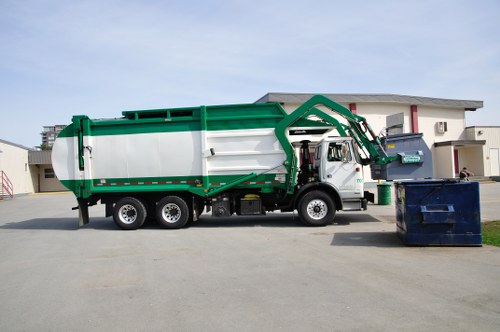
Some commercial waste is too bulky for ordinary bin services and needs direct collection. That includes worn-out furniture, large household-style items from managed properties, and appliances that no longer belong on site. We can collect bulky items that need lifting out carefully, as well as certain appliance removals where the load should be moved separately rather than left to build up in storage or back areas. The service is useful when one item, or a small cluster of items, creates a disproportionate amount of inconvenience.
Appliances often require a little more thought than general rubbish because they are awkward in shape and may have contents or fittings that need checking first. The site’s fridge and appliance removal page covers that type of work, while mattress and furniture loads can be directed through the relevant route when the contents are more specific. Where the collection includes a mixture of items, the right choice is usually the one that reflects the largest or most sensitive part of the load.
It can help to separate items before collection if you already know what needs to go. That is not essential, but it can make the removal easier to understand and can reduce the chance of last-minute uncertainty. In practice, a clear description of the bulky pieces, their location and whether they are free-standing or fixed in place gives a more reliable basis for quoting than a vague request for “everything goneâ€.
Garage, loft and storage-area clearances
Businesses and landlords often use garages, lofts and back rooms as overflow storage, which means the waste that builds up there can be forgotten until the space is needed again. These areas can contain a mixture of boxes, broken stock, old fixtures, forgotten tools and items that have no obvious home elsewhere. Clearing them requires more than just lifting bags out; the point is to empty the area in a way that lets the room be put back into practical use.
We can handle that kind of accumulation through the related clearance pages, including garage clearance and loft clearance. These services suit places where access may be awkward, contents may be mixed, and the removal needs to be organised around the layout of the property. When the contents are spread across shelves, corners and stored piles, it is often better to describe the space as a whole rather than item by item.
For storage spaces, the useful decision is usually whether the job is best treated as a full clear-out or as a targeted removal of specific categories. A full clear-out is more appropriate when the room needs to be fully reset; a partial removal may be better if you only need certain items taken away. Either way, clear guidance on what stays and what goes makes the job easier to scope correctly.
Garden, exterior and light refurbishment waste

Some commercial premises need outdoor waste removed as well as internal contents. This may include garden cuttings from managed grounds, fence panels, broken outdoor furniture, plant waste or debris from minor repairs and tidy-ups. Exterior spaces often collect materials that are heavier, wetter or more awkward than ordinary office rubbish, so it is worth treating them as a separate task rather than bundling them into a generic enquiry.
The relevant service depends on the main material involved. For vegetation and outdoor clippings, garden clearance is the clearest route; for mixed building rubble, timber offcuts and dismantled fittings, builders waste clearance is likely to be more suitable. If the waste is primarily mixed general rubbish from an outdoor area, the broader waste removal page may be the most appropriate starting point. Matching the route to the material helps keep sorting sensible.
Exterior collections often need a little more coordination because waste may be spread across several places, such as a yard, a rear alley and a storage shed. A short list of what is present, together with any difficult access points, is usually enough to establish the scale of the job. Where a refurbishment has produced a small amount of debris rather than a full construction load, it is best to say so directly rather than assuming the heavier service is required.
Hazardous, confidential and higher-care waste streams
Not all waste can be handled in the same way. Some materials need extra care because they are sensitive, regulated or difficult to mix with ordinary rubbish. Confidential paperwork should be kept separate, while certain items that may be classed as hazardous need a different approach altogether. These are not tasks to describe loosely, because the correct handling depends on what the material actually is and how it is stored.
Where the job involves items that may need special attention, it is better to use the dedicated pages such as hazardous waste disposal or confidential shredding. Those routes exist so the collection can be matched to the right process instead of being folded into a standard clearance request. If you are unsure which category your load falls into, provide a straightforward description of the material and avoid mixing unknown contents with general waste before advice is given.
The same principle applies to damaged appliances, items that contain residues and anything that has to be separated from ordinary rubbish for safety or compliance reasons. A careful description allows the work to be assessed properly. It is also the point at which a quotation becomes more accurate, because waste that requires extra handling is not the same as a standard office clearance or mixed rubbish pick-up.
How to prepare a useful quotation request

A clear quotation request saves time on both sides and usually produces a more useful response. The most helpful information is a short description of the waste, an approximate quantity and where it is located on the property. If there are stairs, narrow entrances, loading restrictions or items that need special lifting, mention those too. You do not need to write an essay; a concise overview is normally enough to start the conversation well.
For the most useful estimate, it helps to include a few practical details in one message: what type of items need removing, whether anything is heavy or fragile, and whether the collection is from a single room or several separate spaces. If you are deciding between related services, the site pages on pricing and quotes and book online can help you identify the next step. Good detail leads to a better matched service, especially where the waste is mixed.
To begin, send the main facts in plain language and ask for a quotation based on the actual load rather than a rough label alone. If the collection includes specialist items, mention those early so they are not missed. You can also take a look at contact us when you are ready to make the enquiry and want the job assessed for the right service route.
Recycling, sorting and disposal decisions
Responsible commercial waste removal is not just about taking items away. It also depends on what happens after collection, because different materials belong in different processes. Cardboard, metal, furniture, appliances and mixed rubbish are often handled differently, and the practical decision is to sort them in a way that supports recycling where possible. That is why a clear description of the load matters: it affects how the waste is separated once collected.
For customers who want to understand this side of the service, recycling and sustainability gives a useful overview of the approach, while what can go in a skip is helpful background if you are comparing disposal options. The site’s business waste pages also show how commercial collections differ from domestic clearances when the material stream is more varied. The key decision is not just what is easiest to move, but what is reasonable to separate and process properly.
In practical terms, the right disposal method depends on the shape of the job: a few bulky items, a mix of office contents, a stockroom clear-out or a heavier refurbishment load each point to slightly different handling. If you want to avoid unnecessary delay, describe the load as accurately as you can and include any item that might change the route chosen for it. That is the most straightforward way to keep waste movement tidy and accountable.
About Brixton
Brixton is a district in south London within the London Borough of Lambeth, best known for its dense urban character, strong transport links and long-established market culture. The area developed rapidly during the nineteenth century as London expanded southwards, with rail connections and new streets encouraging housing, commerce and public buildings. Today it remains a lively part of the city with a mix of older terraces, post-war development, market streets and modern redevelopment. One of the best-known landmarks is Brixton Market, a name used for several connected market spaces rather than a single enclosed site, and the surrounding streets have become closely associated with independent food traders, small businesses and everyday shopping. The area is also linked to the O2 Academy Brixton, a well-known live music venue housed in a former cinema, and to Brixton Village, which has helped shape the district’s recent cultural identity. Residential streets extend outwards from the central commercial core, while larger roads and Underground access keep the area connected to the rest of inner London. Brixton has long been recognised for its cultural diversity, reflected in its food, music and community life, and it has also been a place of change, with regeneration and new development altering parts of the town centre over time. Nearby public spaces such as Windrush Square and the routes towards Brockwell Park add to the area’s varied urban texture, while the local street pattern still shows the layered history of growth, commerce and rebuilding that defines much of Brixton.